Skip to Content

The voice of nature has many faces

Interview for Sun Beings
March 20, 2026 by
The voice of nature has many faces
naturwandel


SUNBEINGS EQUINOX INTERVIEW
​​
 
Kate Priestley from www.sunbeings.org in a conversation with:
Josephine Seeger ( www.crownyourself.studio
& Ronny Wollmann ( Naturwandel )


7 Years, 6 Places and our
Unvarnished Truth of Off-Grid
Living as Artists


  1. 1.

  2.  


  3. How did your creative journey away from civilization begin? What inspired you to do it?


Ronny: 

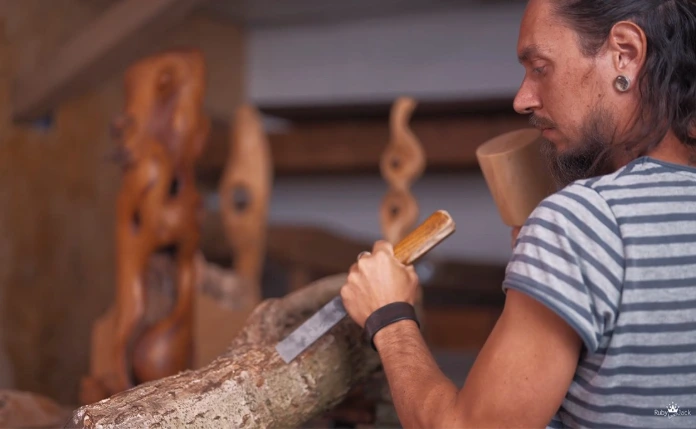
My journey toward an alternative lifestyle and woodworking actually began when I was a child.
As a Waldorf child who was influenced by anthroposophy through my aunt, I was always building things outdoors, like treehouses, dens, and fire pits. 
My first home address was even called “Baumstraße” (Tree Street).
I was drawn to natural materials and wanted to understand how things actually work.
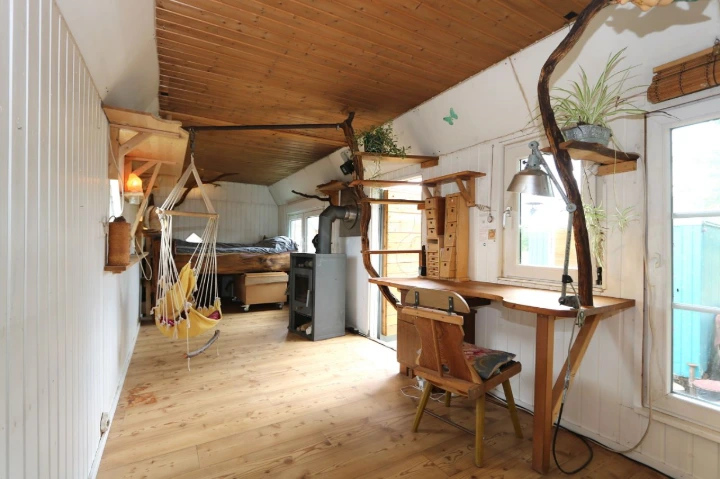
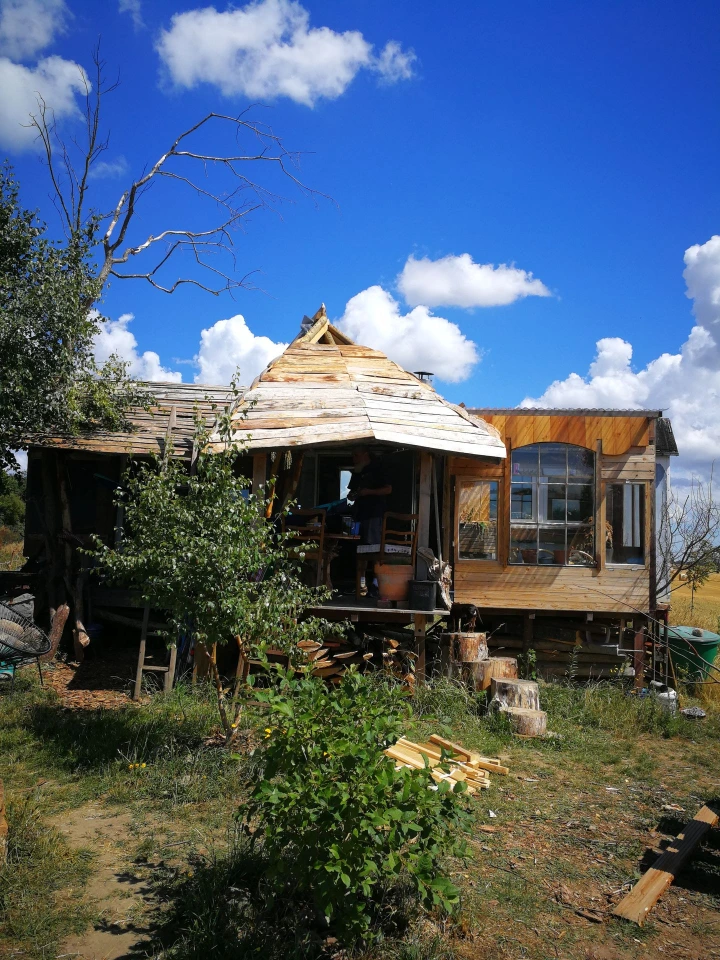
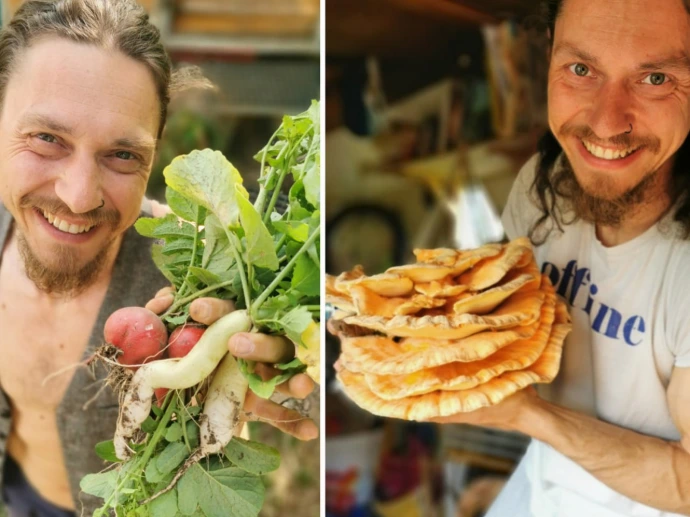
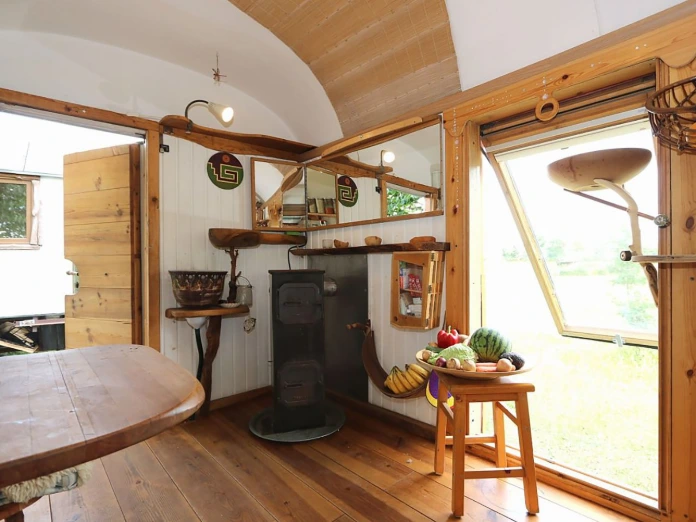
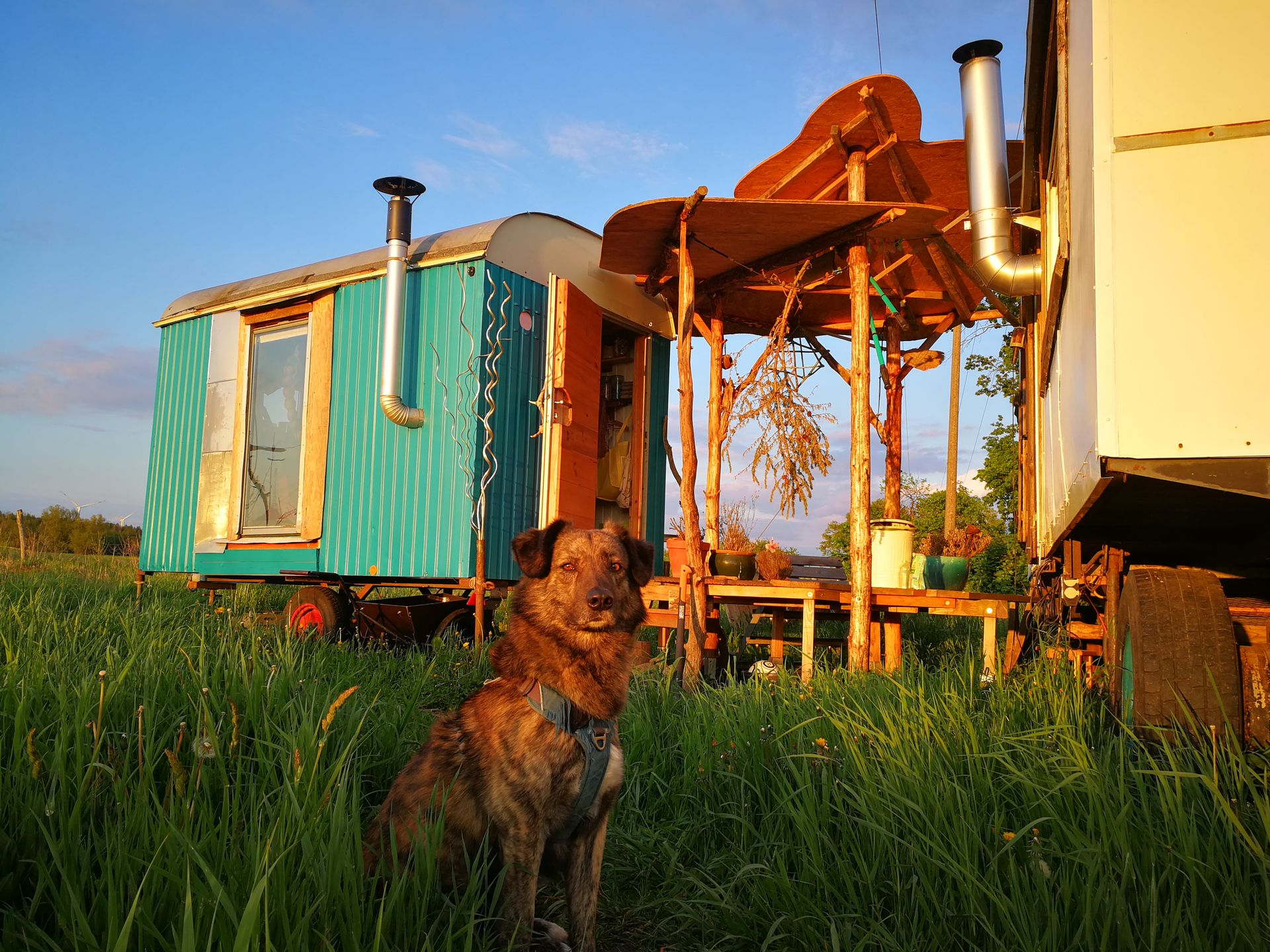
Later, after experiencing severe burnout, I made a radical change and converted my first circus wagon around 2017.
Living in a small mobile home brought me back to the basics: space, warmth, water, fire, food, and human connections. When these elements are stable, they can give rise to an enormous amount of creativity and freedom.
Instead of constantly rushing around, I finally had time to breathe again.

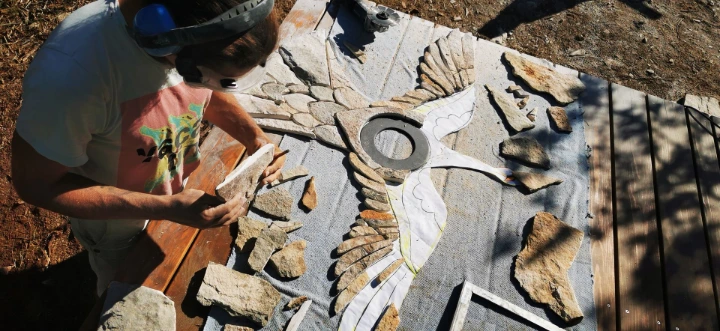
From then on, I continued to develop my practical and artistic skills - building, repairing, and working with wood, metal, stone, and clay. Over the years, I came into contact with many people who were exploring alternative ways of life - tiny house projects, rural initiatives, and communities. Some were inspiring; others, not so much.
What I realized early on is that living off-grid is not some romantic escapism.
It’s infrastructure. Water, electricity, waste systems, heating - if these aren’t stable, everything else becomes a struggle very quickly.
People imagine sitting by the fire with a cup of tea and yes, I love that, but often it’s exactly the opposite. It’s a lot of work. Basically a full-time job.

But my desire for authentic projects and meaningful encounters has never faded.


.


Josephine:

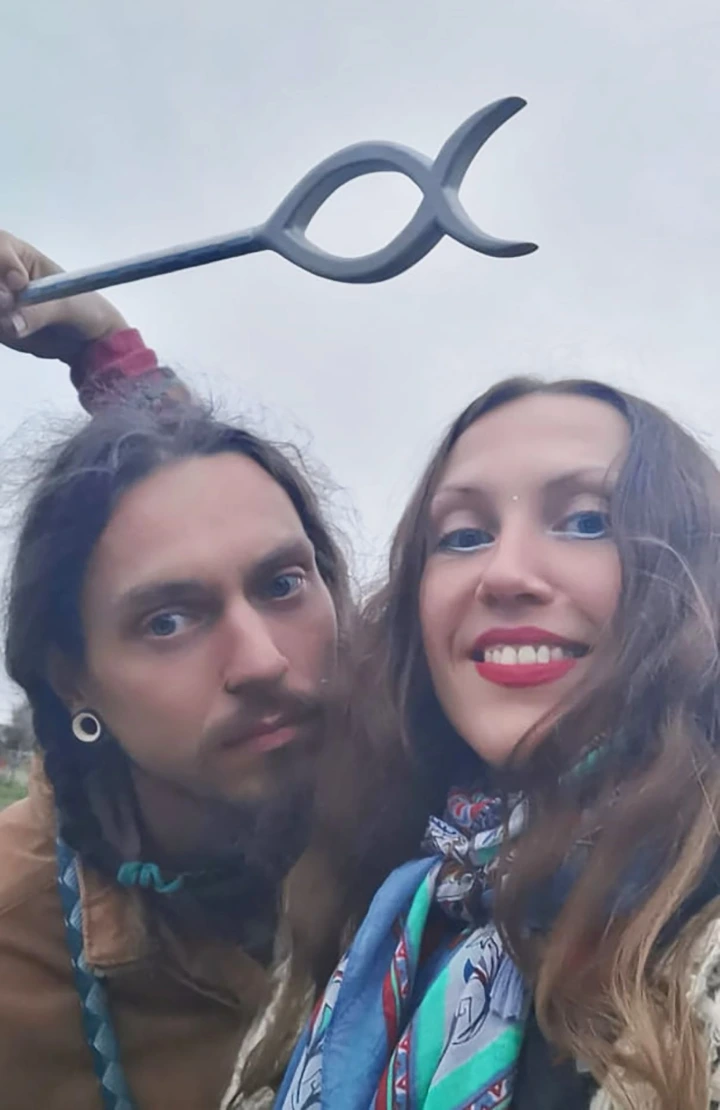
My “off-grid era” began when I met Ronny in a jump house.
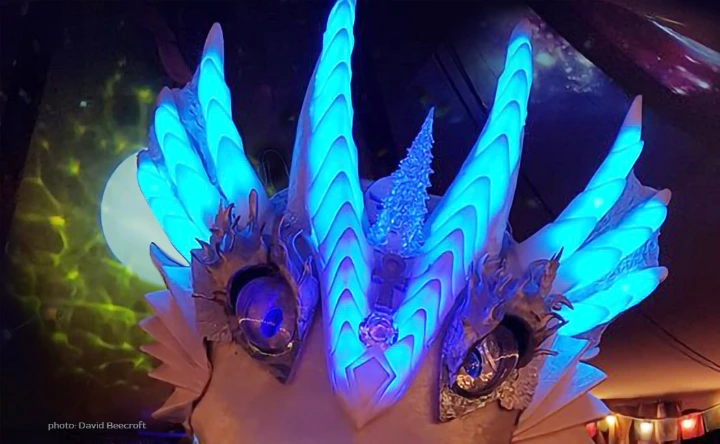
At that time, I was still fully immersed in Berlin’s underground culture, organizing performance events, and had just started building a huge, 11-meter-long dragon doll.
Before I moved into his circus wagons in the countryside, I had spent nearly two decades running shared art studios, living in a community with my kalypso big band, working as a costume designer, and occasionally restoring historical textiles and armor. I was a busy city cat.
When I met Ronny in 2018 and soon after moved into his wagon world, it felt like coming home to a completely different rhythm of life. Chopping wood, carrying water, living more in tune with nature’s cycles. His way of being has grounded me deeply. I’ve never met anyone who celebrates a hot cup of tea by the fire quite like he does. Because for him, it’s so much more than that.

But what really led us both on this journey together was also the question that many people are asking themselves right now:
What kind of life truly feels authentic and fulfilling to a human being?

Not only environmentally, but also emotionally, creatively, and economically.

There’s no point in working yourself to the bone just to satisfy your basic human desires and needs. That’s a form of slavery and means settling for breadcrumbs.
Yet ironically, especially in the early days, there was often no electricity and we had no running water for many years. Washing by hand also in winter.

But we wanted time and space to slow down, to gain clarity to reorganize our inner landscape and develop our true life’s work - even if that meant less money and fewer comforts for a while.

We prefered to make outer compromises and stay true to what felt right for us. The reactions from friends and family were actually quite positive, but most of them said they could never live that way.


  • 2.

    Which places did you visit, and how long did the trip take?

  • How has that affected you creatively as artists?


Ronny:

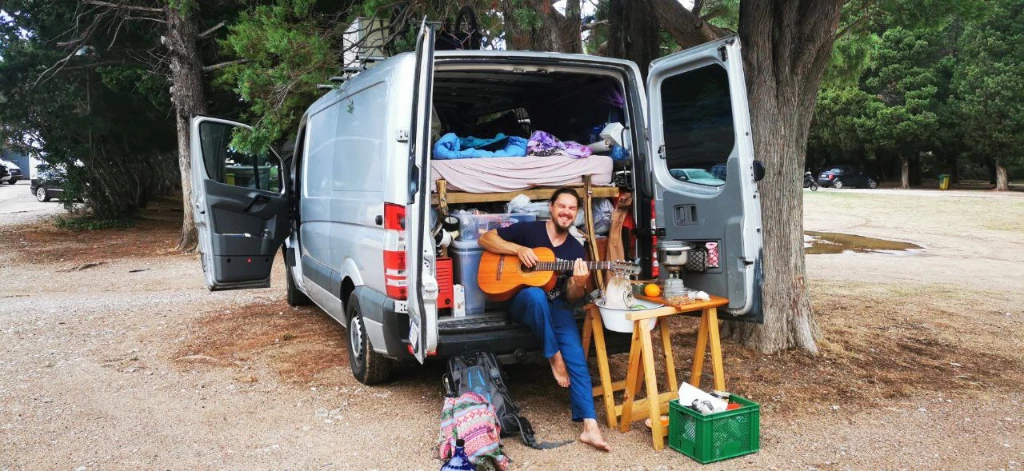
Since meeting each other we have moved seven times in eight years. And returned to our homeland Germany in 2024. Each place introduced a different version of land-based living, collaboration and community. Some were farms, hubs, or mobile van life situations. We also spent time on an island in different nature sanctuaries.
For me the creative influence of this way of living was about practicality.
When you live away from the city or semi-off-grid, it forces you to become inventive with materials. You develop a deep respect for resources – nothing is taken for granted. And this changes the way you create anything.
You constantly ask: What already exists here? What can be repaired instead of replaced? 
What can be made with what is available?

Those questions always affect my work as a builder, sculptor, structural architect.


Josephine:

My artistic work followed a very different rhythm than Ronny’s.

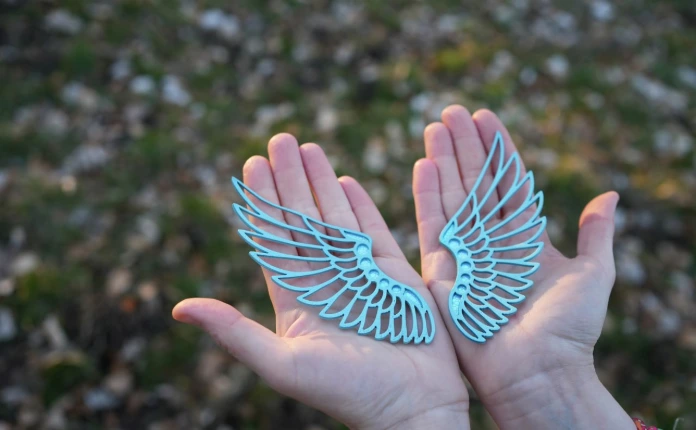
While he was continuously building, producing, sourcing what he loves from the forest, I entered a long phase where the „producing“ stopped. My body simply needed to rest and surrender, though my mind had a difficult time accepting that shift. When we left Germany, I let go of around 90% of my costume collections and materials. That was not easy – but necessary. You wouldn‘t believe the volume of what I’d gathered, but eventually, our entire lives had to fit into a single van.
I realized then that my work isn‘t just about creating beautiful objects or hosting art events. It is about cultivating intimacy with the self and alchemizing the conditions for something fresh to emerge from the inside out.

Those years of slowing down changed everything. Crossing this threshold was a liberation, cracking me open to who I am without the „constant doing,“ even though I know I am here to do so much. Allowing this paradox to unfold was part of the art.
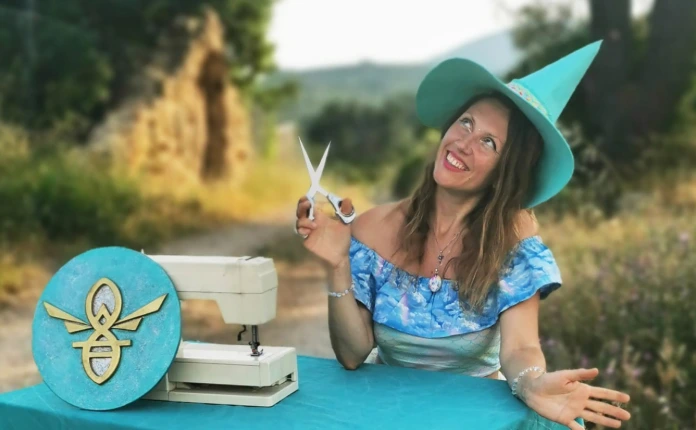
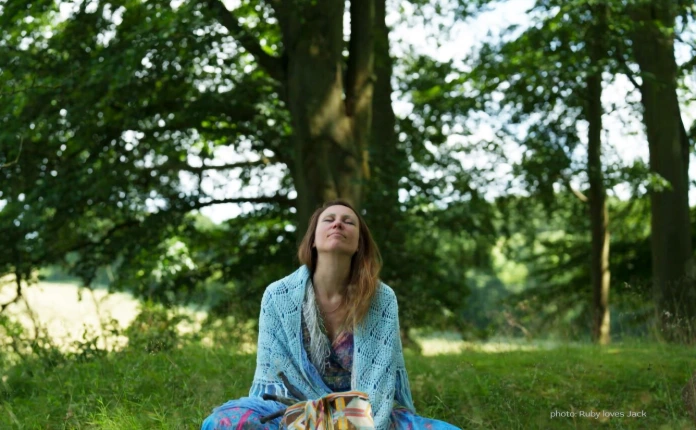
  • 3. 

    What strengths have you discovered through this lifestyle?

  • What major challenges did you face in the community?


Ronny:

The strength to trust myself and life. If something breaks, you fix it.
If something is missing, you build it. That gives you a deep sense of competence.

And the incredible coincidences and encounters with people. Who and what shows up when you really need help. Special thanks go to one person who selflessly paved the way for us: through him, we got our van and the confidence we needed to even set out on the road. When we moved abroad and our plans for life in a campervan turned out very differently than we had imagined, friends invited us to visit their country and stay with them. Or when our van’s drive shaft broke on those rocky roads, literally in the middle of nowhere on the island, a highly specialized mechanic appeared out of nowhere, took the van apart, shipped the parts across the country, and repaired it as if it were nothing. There were also several wonderful women who stood by us, provided us with lodging, and even lent us their cars so that we could, among other things, return home after we had to sell our van to raise money. Experiences like these always stay with you and remind you that the universe has your back. You are supported.


One of my biggest challenges, however, was something that everyone in alternative communities has to grapple with: the relationship between ideals, free sharing, and economic reality.
We experienced noble intentions surrounding bartering, gift-giving, and communal living. But when economic structures are unclear, I often found myself overgiving or unconsciously relied on others in an unbalanced way.

We learned how easily good intentions can be misdirected or compromised when personalities, priorities, artistic direction, or financial sustainability aren’t fully aligned within the group. This is especially true when you have a wide range of skills and making money isn’t the most important factor.


Josephine:

Setting boundaries and developing emotional discernment were among the most important lessons I learned during those years.
Really listening to the signals of my own body again. 
Nature is an incredible teacher when it comes to truth, trust, and transformation.
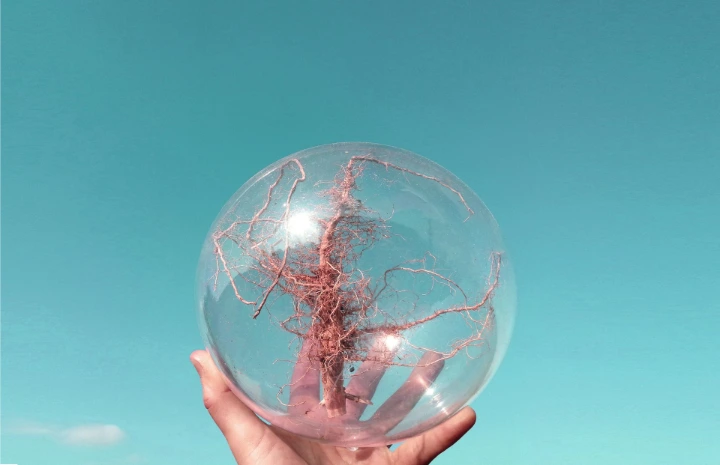


Everything begins as a seed, going through phases of maturation, pressure, decay, rebirth and eventual flowering. The same process is reflected in human relationships.

My nature and creativity can be quiet confrontational.

I have a keen sense of imbalances and hidden power dynamics, both positive and negative. These become apparent quite quickly as soon as I enter a room. It took me some time to recognize this as a strength in my work and my design.

As a designer, I’m also very practical, but not in the way you might expect.
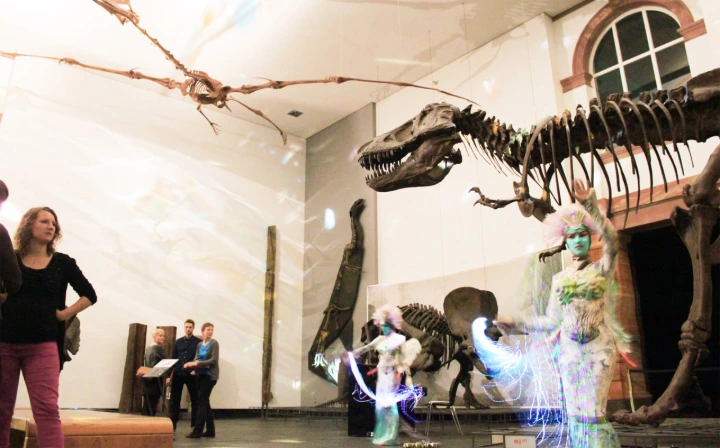

 
Ronny:

It was pretty funny how we tried to co-initiate art markets in the village. All those grandmas who wanted to buy our floating sculptures and crowns! (Laughter)
Of course, nobody bought anything. Aside from all the funny moments, living off-grid definitely made us realize where we were constantly cutting ourselves short.

Josephine:

It was really frustrating sometimes. But now it’s actually hilarious.
That feeling of: “WHAT IN THE WORLD ARE WE DOING HERE?”
For many people, Art is just a nice hobby, but for us, it’s basically who we are.
I don’t have time for hobbies. We’re creating a new reality.
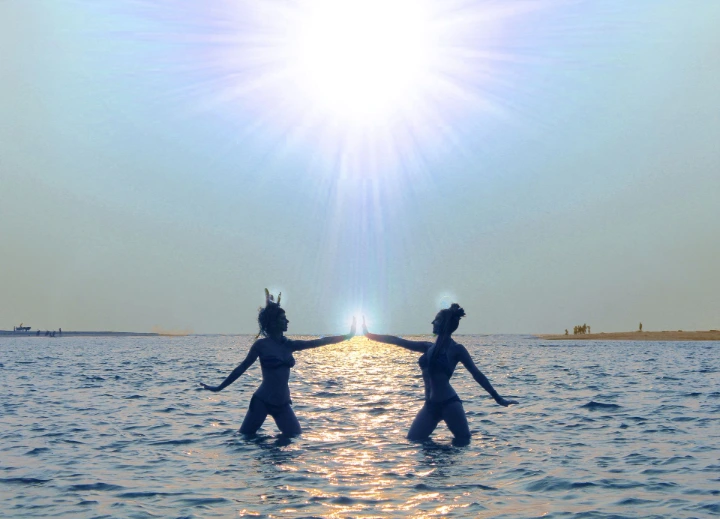


These experiences have made one thing very clear:
If you don’t know who you are or what you really want, life becomes a huge challenge. This is true anywhere, but especially when you’re an artist living in a tribal community far from civilization. You have to face yourself - No distractions.

One question turned into a giant dragon:

“What is my true calling? What is really mine to do?" I care deeply about people, but I’ve learned that my role in “serving the community” isn’t about being constantly available, but about staying true to my own rhythm and shedding light on what actually works longterm.


  • 4. 

  • How has living off the grid changed you and your attitude toward money and freedom?


Ronny:

For me, these experiences have shown how important it is to respect my own skills.
Money has never been my core motivation, but I’ve learned that projects aren’t sustainable without fair compensation. When people truly value their work - with or without money - they can make a much greater contribution to the world. Undermining yourself doesn’t serve anyone.
At the same time, I use limitation as a tool to achieve the best possible result through upcycling. Which is the ability to recognize the abundant potential inherent in materials and places, that guides all of my work.


Josephine:

Freedom isn't simply about leaving the system. 
And living in survival mode is not a virtue.

It´s about becoming the version of yourself who can create new systems.
How do we bring nature’s intelligence back into culture?
How do we build structures within society that cultivate beauty, creativity, economic well-being, and authentic contributions?

Because contribution without sovereign structure or clear agreements simply leads to depletion, unwanted codependencies, or a “hippie ideology” - even if everyone involved has good intentions. The body feels this very quickly.

There was a time when I secong guessed every brushstroke and every material, wondering whether the chemicals in the paint were hurting nature. But I quickly realized that rigid “eco-moralism” is far more toxic.


.


  • 5.

  • Would you ever go back to living off the grid?


Ronny:

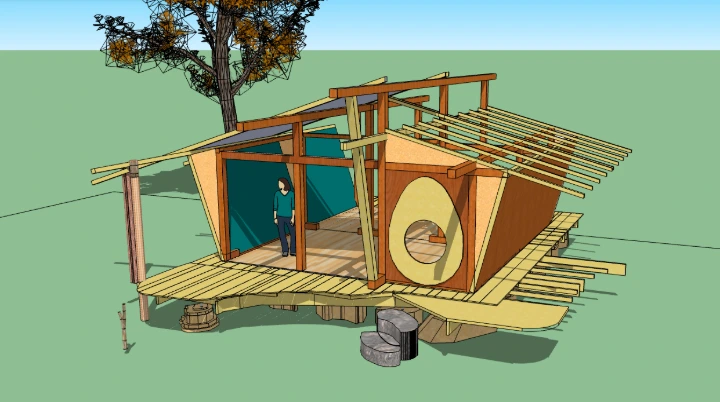
Yes, but in a very different way. When the infrastructure is well thought out and the roles within the community are well designed, life off the grid can be wonderful. But it requires maturity, a foundationall understanding of teamwork mechanics, equal partnerships, good planning, and shared resource responsibility. Otherwise, the dream quickly turns into a nightmare, or potent relationships get negatively effected.


Josephine:

I think it’s always desirable to live as autark as possible.

In cozy abundance, not in a freeze response..


.


.


  • 6.

  • Would you like to add anything else?


Josephine:

Trial and error are not failure. Every experience  (especially the difficult ones) becomes a form of wisdom. We have to experiment with new ways of living and exchanging. And sometimes this process is messy, but also incredibly valuable.
I guess our deeper initiation was actually not about finding the perfect place and the perfect people,
sondern darum, ehrlicher zu uns selbst zu werden.
Wir sind Schöpfer von Dreh- und Angelpunkten, Gestalter von Räumen und hier, um neue Kultur zu schaffen und verschiedene Welten zusammenzubringen.

Und das ist was wir derzeit in eine neue Form bringen, seit unserer Heimkehr nach Deutschland: 

www.crown-yourself.com und www.naturwandel.com


In recent years, we were also deeply supported by three women:


Oracle Girl


Oracle Girl’s Purification Space. 
The pioneer of the “currency of care” for a future shaped by our own hands and in harmony with nature.

Oracle Girlhttps://www.oraclegirl.org/event/apr-2026-silent-immersion-retreat 


Elairaflow


In Elaira’s “Rise Voice” space, Josephine underwent a profound recalibration of her nervous system. She expanded her capacity to receive and blossom once again into greater visibility and expression. A life-changing scholarship, made possible by one of Elairas generous community members.

Elairaflow – Rise Voice - https://www.elairaflow.com/the-rise-voice 


Karina Apolonia Trip


And with Karina Apolonia Trip’s BG5 work, we are now turning our visions for the future into new community programs and sustainable models. Here, our dreams are once again being brought to life in a concrete and practical way.

Karina BG5 – Free introductory training through the end of March:

https://www.karinaapoloniatrip.com/human-design-for-marketing

Unicorn By Design: 

https://www.karinaapoloniatrip.com/unicorn-by-design


The new event spaces are opening RIGHT NOW.

If you like what we've shown you today, now is the perfect time to check out these special offers.


Final words:


Ronny:

Experience is worth more than theory.
You can read many books and attend many seminars, but true understanding comes through hands-on experience. 
That’s how new paths are forged.

I’d like to share another moment with you that I’ll never forget:
On an incredibly hot summer day, we showered using rainwater from the only cistern available. A dead gecko was floating in it. We had to pull the water up with a bucket on a rope and filter it again because there were hundreds of tiny red larvae in it.

Living off-grid means finding solutions to unexpected challenges every day. In the process, you learn a lot about life in general: cycles and patterns.
Creating value with your own hands. Successfully turning compost into usable new topsoil.
Thankfully, money isn't everything in life. You learn how much energy you generate and need every day. You realize just how powerful, resilient, and yet fragile and sometimes naive we really are.
It’s a life full of contrasts. Because that’s exactly what we’ve basically forgotten. We’ve already tied ourselves down to too many things and taken them for granted. 

In my opinion, the key lies in a healthy mix of “off-grid” living and so-called “mid-class” life. Balancing out extremes.
But generally speaking, it’s more about reconnecting with nature and reclaiming a sense of self-empowerment. Taking responsibility for oneself, one’s surroundings, and others, and building a life of harmony and mutual respect. These are the essential ingredients for something greater.

Josephine:

Never lose your sense of humor. Life is meant to be an adventure.

Let’s make sure we all stay grounded and light enough to enjoy the flight.


" A new yes, A first rock

A flaming heart and a luminous spirit.

You are the one you have been locking for

The new yes, A first rock " 

Poem von Viola Livera


Archive